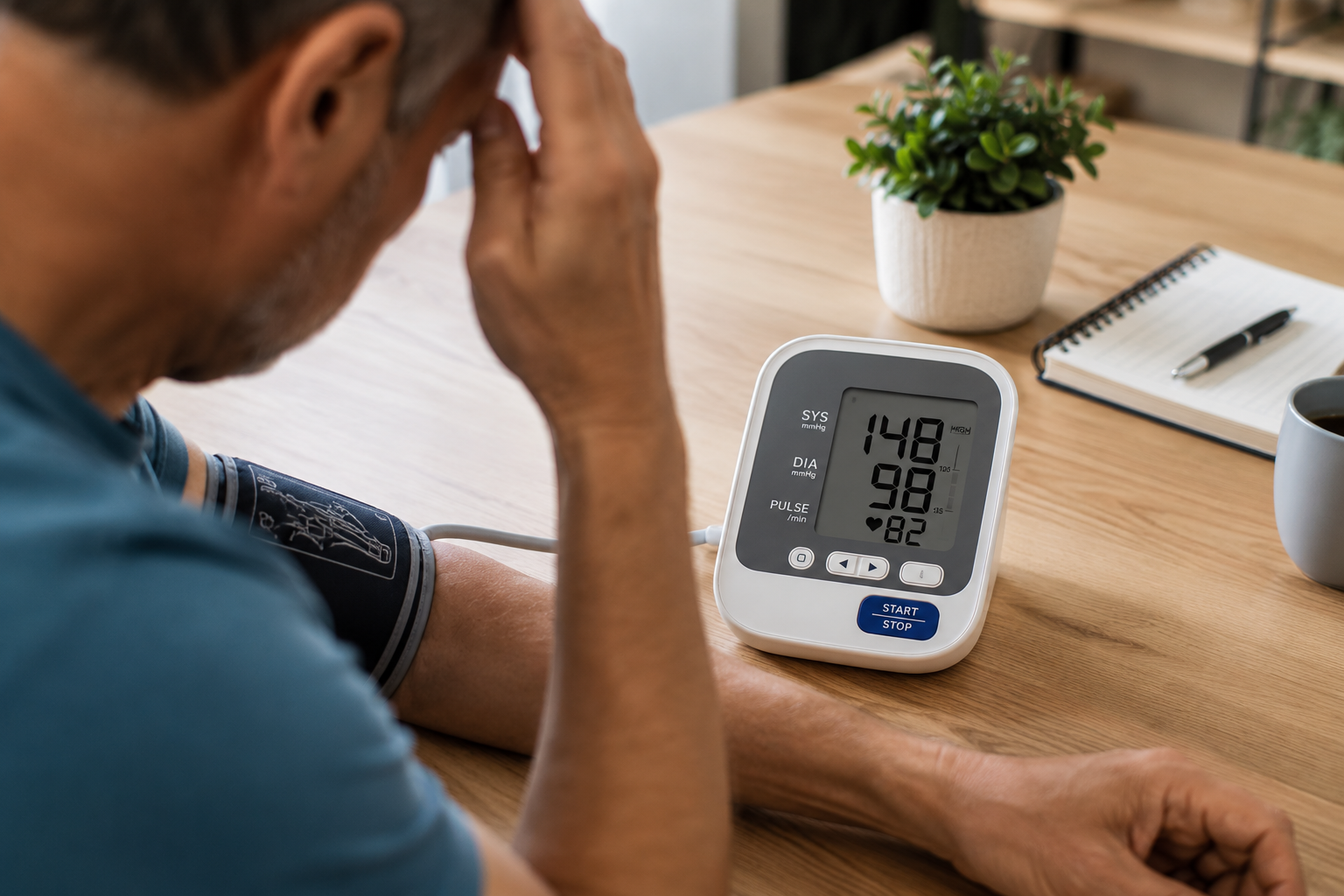
High blood pressure, also known as hypertension, affects millions of adults and is one of the leading risk factors for heart disease and stroke. What makes high blood pressure particularly concerning is that it often develops without noticeable symptoms, earning it the nickname “the silent killer.”
If you’ve been noticing elevated blood pressure readings or have recently been told your blood pressure is high, you may be wondering what is causing it. Understanding the factors that contribute to high blood pressure can help you take steps to protect your long-term health.
What Is High Blood Pressure?
Blood pressure measures the force of blood pushing against the walls of your arteries as your heart pumps. According to the American Heart Association, consistently high blood pressure can damage blood vessels and increase the risk of serious health conditions, including heart attack, stroke, kidney disease, and heart failure.
Because hypertension often develops gradually, many people are unaware they have it until it is detected during a routine health screening.
Common Causes of High Blood Pressure
Several factors can contribute to elevated blood pressure. In many cases, multiple factors work together.
- Family history: High blood pressure often runs in families.
- Excess weight: Carrying extra weight can place additional strain on the heart and blood vessels.
- High sodium intake: Diets high in salt can contribute to increased blood pressure.
- Lack of physical activity: A sedentary lifestyle can increase cardiovascular risk.
- Chronic stress: Ongoing stress may contribute to unhealthy lifestyle habits that affect blood pressure.
- Smoking: Tobacco use damages blood vessels and increases cardiovascular risk.
- Excessive alcohol consumption: Regular heavy drinking can raise blood pressure over time.
- Poor sleep: Sleep deprivation and sleep disorders can affect blood pressure regulation.
The Centers for Disease Control and Prevention (CDC) notes that many risk factors for hypertension can be improved through lifestyle changes and regular medical care.
Can Stress Really Raise Blood Pressure?
Stress can cause temporary increases in blood pressure and may influence behaviors that contribute to long-term cardiovascular problems.
When people are stressed, they may be more likely to:
- Eat unhealthy foods
- Exercise less often
- Sleep poorly
- Drink more alcohol
- Smoke or use tobacco products
Over time, these habits can increase the likelihood of developing high blood pressure and other health concerns.
Medical Conditions That Can Contribute to Hypertension
Sometimes high blood pressure is linked to an underlying medical condition.
Examples include:
- Kidney disease
- Diabetes
- Sleep apnea
- Thyroid disorders
- Certain hormonal conditions
If you have been experiencing symptoms such as persistent fatigue or unexplained dizziness, it may be worth discussing these concerns with your healthcare provider.
Does High Blood Pressure Cause Symptoms?
Most people with hypertension do not experience symptoms, which is why routine monitoring is so important.
However, some individuals with significantly elevated blood pressure may experience:
- Frequent headaches
- Dizziness
- Shortness of breath
- Blurred vision
- Chest discomfort
- Fatigue
These symptoms can occur for many reasons, so proper medical evaluation is important.
Why Regular Health Screenings Matter
Routine health evaluations are one of the best ways to detect high blood pressure early. Through regular preventive healthcare, healthcare providers can monitor blood pressure trends and identify risk factors before complications develop.
An annual wellness visit may include:
- Blood pressure screening
- Cardiovascular risk assessment
- Blood sugar evaluation
- Cholesterol screening
- Lifestyle and nutrition review
These routine assessments can help identify potential concerns early and support better long-term health outcomes.
Healthy Habits That Support Blood Pressure Control
Making positive lifestyle changes can help support healthy blood pressure and overall heart health.
- Maintain a healthy weight
- Stay physically active
- Limit sodium intake
- Eat a balanced diet rich in fruits and vegetables
- Manage stress effectively
- Get adequate sleep
- Avoid smoking and tobacco products
Small, consistent changes can make a significant difference over time.
When Should You Seek Medical Advice?
You should consider scheduling an appointment if:
- Your blood pressure readings remain consistently elevated
- You have a family history of hypertension
- You have diabetes or other cardiovascular risk factors
- You experience headaches, dizziness, or fatigue
- You have not had a recent health evaluation
Early detection and management can help reduce the risk of serious complications.
Take Control of Your Heart Health in Garland TX
If you’ve been asking yourself, “Why is my blood pressure always high?”, it may be time to take a closer look at your overall health and lifestyle factors.
At Medicus Health Clinics, we provide appointment-based care to help patients understand their health risks, monitor important health indicators, and make informed decisions about their wellbeing.
Schedule your appointment today: https://medicushealths.com/book-an-appointment/