
Primary & Preventive Care
What to Bring to Your First Primary Care Appointment
A checklist for getting your paperwork, medications, and questions ready before you meet your new provider.
A checklist for getting your paperwork, medications, and questions ready before you meet your new provider.

Why are you suddenly short of breath going upstairs? Learn when being winded may simply reflect fitness and when asthma, anemia, heart problems, lung conditions or other causes deserve medical evaluation.
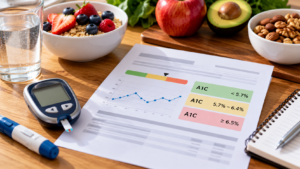
What does your blood sugar result really mean? Learn how the A1C test reflects longer-term glucose levels, the normal, prediabetes and diabetes ranges, what can affect accuracy, and when follow-up testing may be needed.

Confused by your cholesterol results? Learn what LDL, HDL, triglycerides, total cholesterol, non-HDL cholesterol and lipoprotein(a) mean and how they fit into your overall heart-health risk.

Prediabetes often develops without obvious symptoms. Learn who is at risk, how blood sugar is tested, what A1C results mean, and practical steps that may reduce the risk of developing type 2 diabetes.

Flu season can arrive quickly, especially once schools are back in session, workplaces get busier, and families begin spending more time indoors. Influenza, commonly called the flu, is a contagious respiratory illness caused by influenza viruses. For many people, it causes several days of fever, cough, body aches, fatigue, and

How does stress affect your health? Learn how chronic stress can influence sleep, headaches, digestion, blood pressure, energy, mood, concentration and everyday habits, plus practical ways to cope.

How much water should you really drink each day? Learn why hydration needs vary, whether the 8-glass rule is accurate, signs of dehydration, and when excessive thirst deserves medical attention.
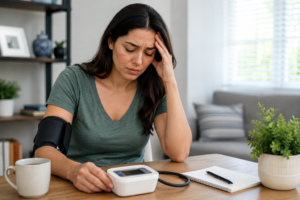
Your heart works around the clock, but protecting it does not require a complete lifestyle overhaul overnight. Many of the habits that support heart health are simple things you can work on gradually: eating better, moving more, sleeping well, avoiding tobacco, knowing your blood pressure, and keeping up with preventive

Why is sleep important for your health? Discover how poor sleep can affect your energy, concentration, mood, appetite, metabolism, heart health, immunity, and everyday safety.