
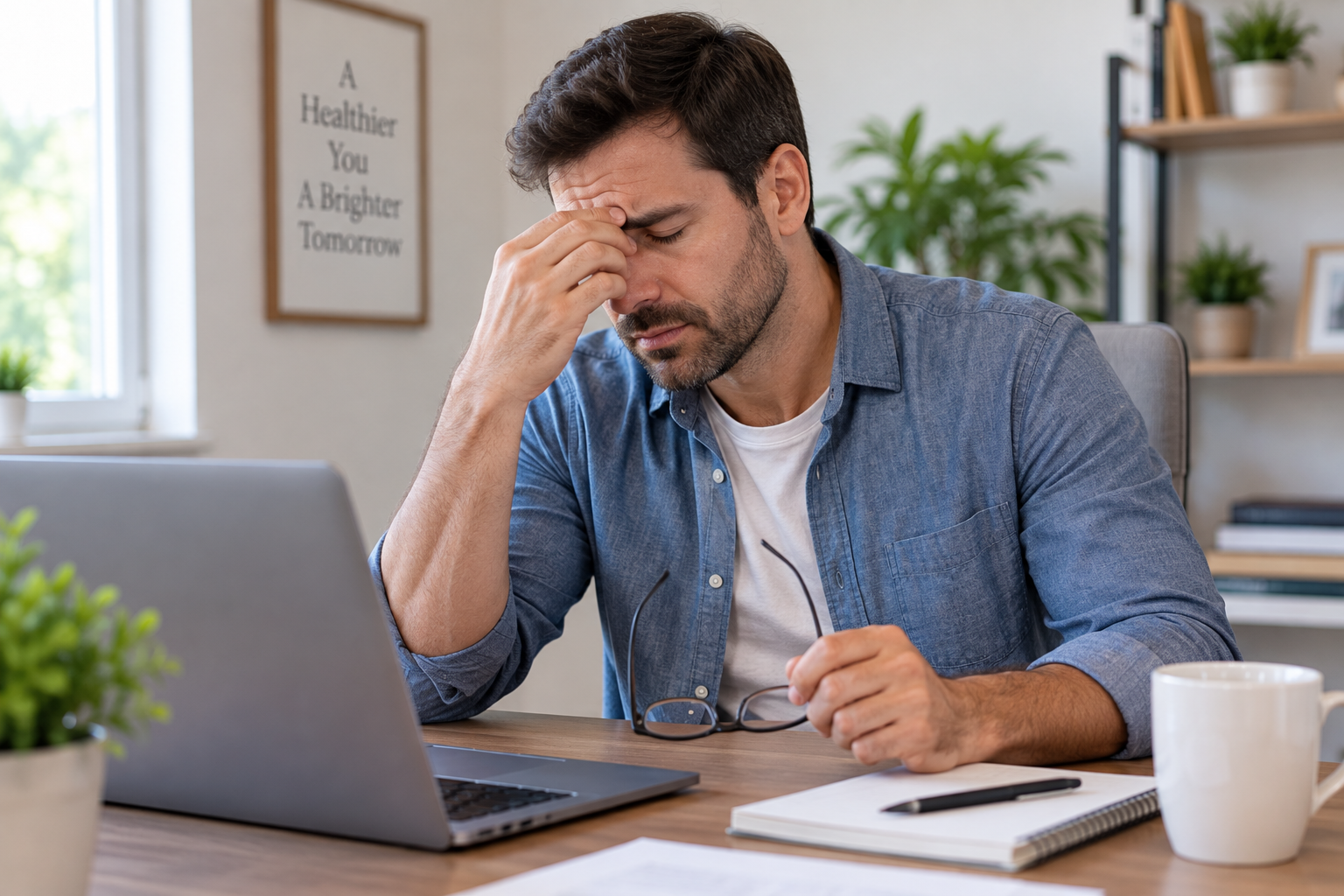
Stress is a normal part of life. Deadlines, finances, family responsibilities, health concerns, and unexpected changes can all leave you feeling under pressure from time to time.
Short-term stress is not always harmful. In fact, your body’s stress response can help you react quickly to challenges. The problem begins when stress becomes constant and your body rarely gets a chance to recover.
Long-term or chronic stress can affect both your physical and emotional health. It may influence your sleep, appetite, concentration, mood, blood pressure, digestion, headaches, and everyday energy levels.
Quick answer: Stress affects your body by activating a natural “fight-or-flight” response that increases heart rate, breathing, alertness, and muscle tension. Occasional stress is normal, but chronic stress may contribute to sleep problems, headaches, digestive symptoms, mood changes, fatigue, and worsening of existing health conditions.
What Happens to Your Body When You Are Stressed?
When you face a stressful situation, your body releases hormones that prepare you to respond quickly.
This stress response may temporarily:
- Increase your heart rate
- Increase your breathing rate
- Raise your blood pressure
- Tighten your muscles
- Increase alertness
- Change digestion
- Increase sweating
This reaction can be useful when you need to respond to an immediate challenge.
However, when stress continues for long periods, your body may remain in a heightened state more often than it should.
According to the National Center for Complementary and Integrative Health, long-term stress may contribute to or worsen problems such as headaches, digestive disorders, sleep problems, anxiety, and depression.
What Is Chronic Stress?
Chronic stress is stress that continues over a prolonged period rather than resolving after a short-term challenge.
Possible sources include:
- Work pressure
- Financial difficulties
- Relationship problems
- Caregiving responsibilities
- Long-term health problems
- Housing or employment uncertainty
- Family conflict
- Ongoing lack of sleep
Sometimes the cause is obvious. Other times, stress builds gradually until feeling tense or overwhelmed starts to seem normal.
1. Stress Can Affect Your Sleep
Stress and sleep often affect each other.
When your mind is busy worrying, you may find it difficult to fall asleep. You may also wake during the night or wake too early and struggle to return to sleep.
Poor sleep can then make it harder to cope with stress the following day, creating a difficult cycle.
Signs may include:
- Difficulty falling asleep
- Waking repeatedly
- Racing thoughts at bedtime
- Feeling unrefreshed in the morning
- Daytime tiredness
If sleep has become an ongoing problem, read our guide on why sleep is important for your health.
2. Stress Can Cause Headaches
Stress is a common trigger for some types of headaches.
Muscle tension around the neck, shoulders, scalp, and jaw may contribute to discomfort.
Stress may also trigger migraine attacks in some people who are prone to migraines.
However, headaches can have many possible causes, so recurring or changing headaches should not automatically be blamed on stress.
Read more about common reasons you may keep getting headaches.
3. Stress Can Affect Your Digestive System
Your brain and digestive system communicate closely, which is one reason emotional stress can sometimes cause physical stomach symptoms.
You may notice:
- Stomach discomfort
- Nausea
- Bloating
- Changes in bowel habits
- Loss of appetite
- Increased appetite
Stress can also worsen symptoms in some people who already have digestive conditions.
Persistent digestive symptoms should still be evaluated rather than assumed to be caused by stress.
4. Stress Can Affect Your Blood Pressure
During stressful situations, your heart rate and blood pressure may temporarily increase.
Once the stressful situation passes, these changes usually settle.
However, chronic stress may indirectly affect cardiovascular health by influencing behaviors such as:
- Sleep
- Physical activity
- Eating patterns
- Alcohol use
- Tobacco use
- Medication routines
If your blood pressure readings are frequently elevated, do not assume stress is the only cause.
Read our guide on why your blood pressure may remain high.
5. Stress Can Affect Your Appetite
Stress affects appetite differently from person to person.
Some people lose interest in food when they are stressed.
Others notice:
- More frequent snacking
- Cravings for high-calorie foods
- Eating when they are not physically hungry
- Eating quickly or mindlessly
Stress can influence hormones and behaviors involved in hunger and food choices.
If you are experiencing persistent hunger regardless of stress or what you eat, read our article on why you may feel hungry all the time.
6. Stress Can Leave You Feeling Exhausted
Constant stress can be mentally and physically draining.
You may feel:
- Low in energy
- Mentally exhausted
- Unmotivated
- Unable to concentrate
- Overwhelmed by simple tasks
Stress-related sleep disruption can make this even worse.
However, ongoing fatigue can also be caused by anemia, thyroid problems, sleep disorders, medications, infections, blood sugar problems, and many other conditions.
If tiredness continues even when stress improves, read why you may feel tired all the time.
7. Stress Can Affect Concentration and Decision-Making
When you feel overwhelmed, concentrating may become more difficult.
You may notice that you:
- Forget things
- Lose focus easily
- Make more mistakes
- Struggle to make decisions
- Procrastinate
- Feel mentally “foggy”
This can create additional stress at work or home because everyday tasks may take longer than usual.
8. Stress Can Affect Your Mood
Long-term stress can affect emotional wellbeing.
You might experience:
- Irritability
- Frustration
- Worry
- Sadness
- Feeling overwhelmed
- Reduced interest in usual activities
Stress, anxiety, and depression can overlap, but they are not the same thing.
If mood changes persist, become severe, or interfere with daily life, speak with a healthcare professional.
9. Stress Can Increase Muscle Tension and Pain
When you are stressed, your muscles may tense automatically.
Over time, persistent tension may contribute to discomfort involving:
- Neck
- Shoulders
- Jaw
- Upper back
- Lower back
You may also notice jaw clenching or teeth grinding, particularly during sleep.
Recurring or severe pain still deserves medical evaluation, especially if it is associated with weakness, numbness, injury, fever, or other concerning symptoms.
10. Stress Can Influence Your Everyday Habits
Sometimes the biggest health effects of stress come from the way we respond to it.
When overwhelmed, people may:
- Exercise less
- Sleep less
- Eat less nutritious foods
- Drink more alcohol
- Smoke more
- Spend less time with supportive people
- Skip medications or healthcare appointments
Over time, these changes can influence physical and emotional health.
How Do You Know If Stress Is Becoming a Problem?
Stress may need more attention if you notice that it is:
- Present most days
- Interfering with sleep
- Affecting your relationships
- Reducing your ability to work or concentrate
- Changing your eating or drinking habits
- Contributing to persistent physical symptoms
- Making you feel unable to cope
The Centers for Disease Control and Prevention recommends taking small daily steps to manage stress and seeking additional support when stress becomes difficult to manage.
What Can You Do to Reduce Stress?
There is no single stress-management method that works for everyone.
The goal is to find healthy strategies that fit your life and that you can use consistently.
1. Identify Your Stress Triggers
Start by noticing what situations tend to make you feel overwhelmed.
Consider keeping brief notes about:
- What happened
- How you felt
- Physical symptoms you noticed
- How you responded
- What helped
Recognizing patterns can make stress feel more manageable.
2. Move Your Body
Physical activity can support both physical and emotional wellbeing.
You do not need an intense workout.
Try:
- Walking
- Stretching
- Dancing
- Cycling
- Gardening
- Other activities you enjoy
Even short periods of activity can help break up a stressful day.
3. Protect Your Sleep
Stress is harder to manage when you are exhausted.
Try to:
- Keep a regular bedtime
- Reduce screens before bed
- Avoid excessive caffeine later in the day
- Create a calm sleep environment
- Allow enough time for sleep
4. Try Slow Breathing or Relaxation Techniques
Relaxation techniques may help activate your body’s relaxation response.
Examples include:
- Slow, deep breathing
- Progressive muscle relaxation
- Meditation
- Guided imagery
- Mindfulness
You do not need to spend an hour meditating. Even a few quiet minutes can provide a useful pause during a stressful day.
5. Stay Connected
Talking with someone you trust can help put stressful situations into perspective.
Consider connecting with:
- Family
- Friends
- Community groups
- Faith communities
- A counselor or therapist
You do not need to manage everything alone.
6. Take Breaks From Constant Information
News, email, social media, and work notifications can make it difficult for your mind to switch off.
Consider creating periods during the day when you deliberately step away from screens or notifications.
7. Focus on What You Can Control
Some stressors cannot be removed immediately.
In those situations, focus on practical actions within your control.
This might mean:
- Creating a simple plan
- Breaking large tasks into smaller steps
- Setting realistic boundaries
- Asking for help
- Prioritizing the most important tasks
Can Stress Cause Physical Symptoms Even If Nothing Is “Wrong”?
Yes. Stress can produce genuine physical symptoms.
These may include:
- Headaches
- Muscle tension
- Digestive symptoms
- Sleep problems
- Rapid heartbeat
- Sweating
- Fatigue
However, this does not mean you should automatically assume every symptom is stress-related.
New, persistent, severe, or worsening physical symptoms should be medically evaluated.
When Should You Talk to a Healthcare Provider?
Consider scheduling an appointment if:
- Stress is affecting your daily life
- You are struggling to sleep
- You experience persistent headaches or digestive symptoms
- You feel constantly exhausted
- Your appetite has changed significantly
- You are experiencing ongoing anxiety or low mood
- Your usual coping strategies are no longer helping
- You are concerned about physical symptoms
Your healthcare provider can help determine whether symptoms may be related to stress or whether another medical condition needs to be investigated.
When Is Immediate Help Needed?
If you are in emotional crisis, feel unable to stay safe, or are thinking about harming yourself, seek immediate help.
In the United States, call or text 988 to reach the Suicide & Crisis Lifeline.
Call 911 for an immediate medical or life-threatening emergency.
Make Stress Management Part of Your Preventive Health Plan
Stress is not something that only matters when life becomes overwhelming.
It is worth discussing during routine healthcare too.
During an annual wellness visit, you can talk about:
- Sleep
- Mood
- Stress levels
- Physical activity
- Eating habits
- Blood pressure
- Other changes in your health
These conversations can help your provider see the bigger picture rather than looking at symptoms individually.
Managing Stress in Garland TX
Stress is a normal part of life, but feeling overwhelmed every day should not simply become your new normal.
Healthy coping strategies, better sleep, physical activity, supportive relationships, and appropriate medical or mental health care can all play a role in managing stress.
At Medicus Health Clinics, our primary care and internal medicine team can help evaluate physical symptoms, review factors that may be affecting your health, and determine appropriate next steps.
Schedule an appointment: Book an appointment with Medicus Health Clinics in Garland, TX.
This article is intended for general educational purposes and does not replace personalized medical advice, diagnosis, or mental health treatment.
Frequently Asked Questions
Can stress make you physically sick?
Stress can cause genuine physical symptoms such as headaches, muscle tension, digestive discomfort, sleep problems, and fatigue. Long-term stress may also worsen some existing health conditions.
Can stress cause high blood pressure?
Stress can temporarily raise blood pressure. Persistent high blood pressure has many possible causes and should be properly evaluated rather than assumed to be caused by stress alone.
Why does stress make me so tired?
Stress can be mentally and physically exhausting and may disrupt sleep. However, persistent fatigue can also have many medical causes, so ongoing tiredness should be discussed with a healthcare provider.
What is the fastest way to calm stress?
Different strategies work for different people. Slow breathing, briefly stepping away from the stressful situation, stretching, walking, or speaking with someone supportive may help reduce immediate tension.
When should I seek help for stress?
Seek professional support when stress persists, interferes with daily life, causes significant physical or emotional symptoms, or feels difficult to manage on your own.