
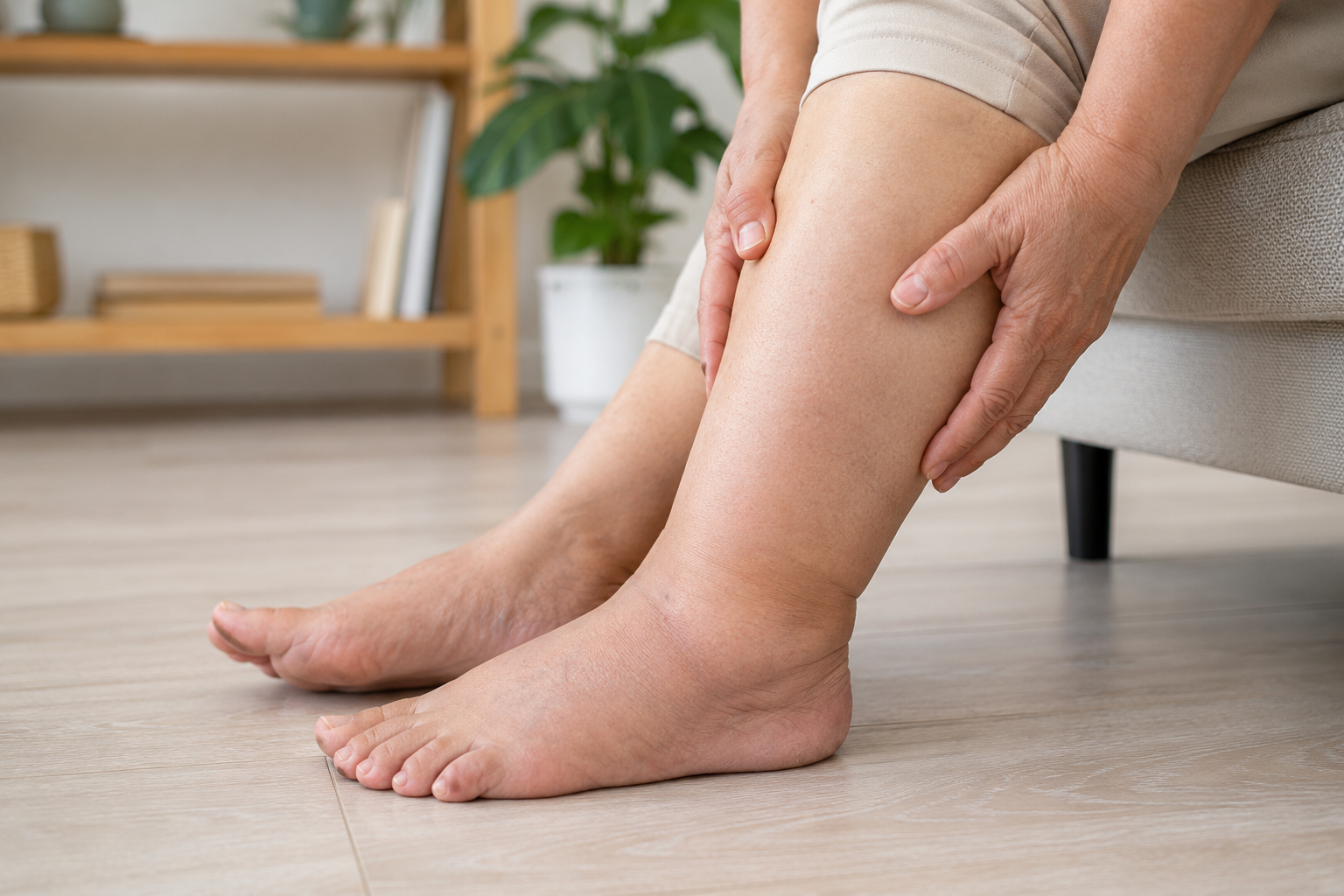
Occasional swelling in the legs, ankles, or feet can happen to anyone. You may notice your shoes feel tighter at the end of the day or your ankles appear puffier than usual. However, if leg swelling happens frequently or becomes persistent, it may be worth paying closer attention.
Many people in Garland TX assume swollen legs are simply caused by standing too long or getting older. While these can be contributing factors, ongoing swelling may sometimes be related to circulation issues, lifestyle factors, medication side effects, or underlying health conditions.
What Is Leg Swelling?
Leg swelling, also known as edema, occurs when excess fluid builds up in the tissues of the legs, ankles, or feet. According to the MedlinePlus medical library, edema can have many possible causes ranging from minor issues to conditions that require medical attention.
Swelling may affect one leg or both legs and can develop gradually or appear suddenly.
Common Causes of Leg Swelling
Several factors may contribute to swelling in the lower legs and feet.
- Prolonged sitting or standing: Staying in one position for long periods can allow fluid to collect in the lower legs.
- Hot weather: Heat can cause blood vessels to widen, making fluid more likely to move into surrounding tissues.
- Excess body weight: Carrying additional weight can place increased strain on circulation.
- Certain medications: Some medications may contribute to fluid retention.
- Injuries: Sprains or strains can cause temporary swelling.
- Underlying medical conditions: In some cases, leg swelling may be associated with heart, kidney, liver, or circulation problems.
The National Heart, Lung, and Blood Institute (NHLBI) notes that swelling in the legs can sometimes be associated with cardiovascular conditions and changes in circulation.
Can Lifestyle Habits Contribute to Swelling?
Yes. Certain daily habits can affect circulation and fluid balance in the body.
Factors that may contribute to swelling include:
- Long periods of sitting
- Low physical activity levels
- High sodium intake
- Carrying excess weight
- Not moving regularly during the day
Simple lifestyle adjustments can sometimes help improve circulation and reduce fluid buildup.
When Leg Swelling May Be a Warning Sign
Occasional swelling may not be serious, but persistent or sudden swelling should not always be ignored.
You should consider seeking medical attention if you experience:
- Swelling that keeps returning
- Swelling that suddenly becomes worse
- Pain, redness, or warmth in the leg
- Shortness of breath
- Swelling accompanied by fatigue or unexplained weight gain
These symptoms may indicate an underlying issue that requires medical evaluation.
The Connection Between Weight, Blood Pressure, and Leg Swelling
Weight changes and cardiovascular health can affect circulation and fluid retention. People experiencing leg swelling may also notice other symptoms such as fatigue or elevated blood pressure.
If you have also been concerned about unexpected weight gain or have been wondering why your blood pressure remains elevated, these factors may be worth discussing during a health evaluation.
Why Preventive Healthcare Matters
Regular health evaluations can help identify factors that may be contributing to leg swelling. Through routine preventive healthcare, healthcare providers can review symptoms, assess risk factors, and recommend appropriate next steps.
An annual wellness visit may include:
- Blood pressure screening
- Review of medications
- Assessment of weight and lifestyle habits
- Evaluation of circulation concerns
- Discussion of overall health risks
Early evaluation can often help identify issues before complications develop.
Simple Ways to Support Healthy Circulation
Healthy daily habits may help support circulation and reduce the likelihood of fluid buildup.
- Stay physically active
- Avoid sitting for long periods
- Maintain a healthy weight
- Limit excessive sodium intake
- Elevate your legs when appropriate
- Stay hydrated throughout the day
While these habits may be helpful, persistent or worsening swelling should still be medically evaluated.
When to Seek Medical Guidance in Garland TX
If leg swelling is affecting your comfort, mobility, or daily activities, it may be time to seek medical advice.
Early assessment can help identify contributing factors and guide appropriate next steps toward improving your health and wellbeing.
Take Control of Your Health in Garland TX
If you’ve been asking yourself, “Why do my legs swell?”, it may be time to look beyond temporary swelling. Your body may be signaling that something needs attention.
At Medicus Health Clinics, we provide appointment-based care to help patients better understand ongoing symptoms and make informed decisions about their health.
Schedule your appointment today: https://medicushealths.com/book-an-appointment/